EN
EN


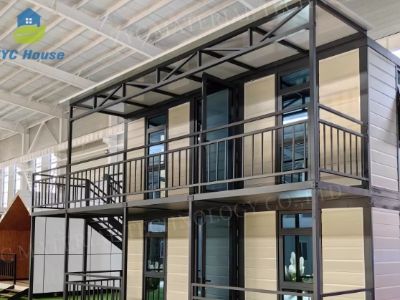
New smart materials are making prefab buildings stronger and more environmentally friendly. These materials make buildings last longer and require fewer resources. At ZYC, we notice how these smart materials are revolutionizing the construction process for prefab buildings. They toughen up walls, weatherproof roofs and make floors more able to withstand a beating. That means buildings are better able to weather storms, heat and cold than ever before. But that’s not all — these materials also make saving energy and reducing waste pretty good for the planet. The usage of new smart materials is turning prefab structures into something much better than they had been
How a New Generation of Smart Buildings Will Make Us Healthier — and Happier
The soundness of prefab buildings varies widely with the materials used. At ZYC, we discovered that smart materials are a huge factor in determining the life span of a building. Some smart materials, for instance, can even heal themselves of tiny cracks when damaged. Picture a wall that repairs itself after you give it a little scratch — that’s the power of smart materials! This is how you keep the building safe and sound without having to make instant repairs. And some materials resist both water and fire better than others. This keeps it from being easily damaged in a storm, or if a tree falls on your house. When wind or rain strike a building, smart coatings can block water from seeping into it, so the innards don’t rot or rust. A roughly analogous case is weather-responsive insulation materials. They insulate buildings from external temperatures, so they keep those structures warm without using more energy in the winter and cool without using more energy in the summer. This kind of smart insulation helps spaces stay comfortable and can save money on heating or cooling. It plays into that strength of these smart materials, ZYC makes sure prefab structures are rugged and durable for many years. We saw one project where a prefabricated home constructed of smart concrete was hurricane force resistant even after flooding. It demonstrated how these materials can help protect houses from natural problems that damage normal buildings. They also decrease the need for repair, saving time and money. Some smart materials are even able to alert their owners that they are in distress, for example if the building is shaking too much during an earthquake. This early warning keeps people safe. All smart materials do not fit all buildings, but selecting the right ones for prefabs can make them stronger and safer. There is gold to be found in these materials, ZYC’s experience shows us that it is a smart choice for long-term construction
How to Pick the Best Smart Materials for Tough and Durable Prefab Buildings
It isn’t always easy to choose the right smart materials. We consider a lot of things at ZYC before choosing which materials to use for a prefab building. The first is the building’s location. Smart water-resistant materials are key if it will be in a location with rainfall of the heavy variety. If the vicinity is very hot or cold, smart insulation becomes more important. A second consideration is the way a building is used. A school or hospital needs materials that are very safe and strong. A small office might be in the market for items that save energy but aren’t very expensive. Budget plays a big role too. Sometimes, those aren’t the cheapest materials off the shelf but can pencil out in the long term by lasting longer and consuming less energy. ZYC considers the entire life of the building, not just today’s price. We also evaluate how easy the materials are to work with. Some intelligent materials require special tools or skills to use. Or if the building site is remote, or the workers are not trained specifically in its construction, maybe simpler materials would make more sense. Another consideration is the environmental impact of materials. ZYC attempts to use materials that originate in natural sources or that can be recycled. This contributes to keeping the building green and minimizing waste. We find that combining the properties of various smart materials can actually be best. For instance, smart tint that can be applied to glass windows can work in concert with the smart insulation to make buildings comfortable and cut energy bills. Consulting with experts, testing samples and giving serious thought to the building’s needs can make a big difference. Once in a while, what looks great on paper doesn’t work well in practice. It’s why ZYC tests materials in the real world before deciding finally. It’s very much a balancing act of strength, price, ease and sustainability. The smart use of materials can turn a nondescript prefab building into a robust, durable, healthy place that people relish for decades

What Are The Environmental Benefits Of Smart Materials For Prefab Building Use
Now smart materials are transforming the way prefab buildings are constructed, and in a whole host of environmentally friendly ways. Prefab buildings are constructions made from prefab parts that are put together on site. Their environmental benefits are even greater when we use smart materials in these buildings. One of the bigger benefits is that these smart materials can conserve energy. For instance, certain so-called smart materials can alter their properties according to the temperature. That is the power of phase change materials, so-called because they shift between physical states — from solid to liquid or vice versa — at certain temperatures. By mitigating the demand for extra energy, they help reduce pollution that results from burning fossil fuels
Another key advantage: smart materials can help cut waste. Traditional building methods involve a lot of waste, with components being cut or shaped on site. But for prefab buildings that use smart materials, the pieces are fashioned to exact standards in the factory. This keeps unused material out of landfills. And some smart materials are able to heal themselves if they become damaged, so buildings last longer and don’t need repairs or replacement as often. That takes the load off of new resources — fewer trees are cut down, less mining is done
Smart materials can also be sustainable or recycled resources. For instance, some smart concrete relies on waste products from other industries, which diverts trash from landfills and cuts down on the use of new raw materials. In this regard, ZYC is proud to be a brand of smart materials that not only raise the strength of prefab buildings but also make them kinder on our planet. Using intelligent materials, ZYC contributes to the development of buildings that save energy, minimize waste, and use resources effectively. It also proves technology and concern for the environment can coexist to create a better future
Solving Common Prefabrication Quality Issues with Smart Materials
Prefabricated buildings offer numerous benefits, among them faster completion and lower costs, but they also face quality issues. Some prefab structures can also have shortcomings such as weak joints, poor insulation and weathering. Smart materials are coming to the rescue, however, offering solutions that promise to make prefab buildings tougher and safer. How do smart building materials improve quality? One way is strength and flexibility of building parts. Some smart materials can alter their shape or stiffness according to pressure or temperature, for example. This means the building can withstand high winds, earthquakes or heavy loads without breaking
Another frequent weakness of prefab buildings is bad insulation, which means heat or cold can enter too easily and make the building unlivable. Smart materials can even adapt their heat resistance. For instance, on hot days they keep heat out; and during cool nights, they keep warmth in. That makes dwelling or working in prefab buildings more comfortable without the need for additional heaters or air conditioners. ZYC is built with intelligent insulation materials that change according to the weather and save energy while increasing people’s living comfort inside the buildings
Water damage and cracks are also major problems in many prefab buildings. Materials that are “smart” can sense early on when cracks are just starting to form and can even patch themselves up before they grow more serious. This capacity prevents buildings from being unsafe and saves them expensive repairs. Not only that, smart materials can actually keep mold and mildew at bay by regulating moisture levels within the walls. By addressing these issues, smart materials make prefab buildings more reliable and durable. ZYC’s dedication to using these better materials results in buildings that last longer, remain safer and feel better to live or work Within
Film-drawing at the microscale What Trends are Leading to Increasing Bulk Smart Materials Demand
The construction industry is undergoing major changes, and many new trends are urging builders to use smart materials more often than not. One major theme is the increasing demand for sustainability, green and energy-saving construction solutions. People are looking for buildings that benefit the planet and are cheaper to operate. Since smart materials help to save energy and minimize waste, they are in high demand. Wholesale buyers, who purchase building materials in bulk, are regarding smart materials as a clever investment. They are smart materials that help builders comply with new rules on energy efficiency and environmental protection. This makes smart materials more saleable and acceptable in the market
Another trend is the skyrocketing of prefab construction itself. Prefab methods are becoming more popular with builders since they save time and money. And because prefab components are built in factories, materials must be exacting and consistent. Smart materials work well in this context, as they can be programmed to meet precise standards and enhance the quality of prefab parts. And wholesale buyers who deal with prefab builders are hungry for smart materials because they cause fewer headaches during construction and make for happier homeowners. ZYC is leading the trend, with smart materials that prove a perfect fit for today’s prefab construction
Technology is also upending how buildings are constructed and kept running. Smart materials that can detect damage, alter properties or heal themselves are gaining traction for the way they help to lower maintenance costs and keep buildings safe for longer. Wholesale purchasers also know that providing such materials allows them to compete in a market where innovation, green-building materials and cost effectiveness are paramount. With these trends in mind, suppliers like ZYC are seeing increased demand for smarter materials and are dedicated to providing the best products for builders everywhere. This allows everyone to build better, greener and smarter buildings for the future
Table of Contents
- How a New Generation of Smart Buildings Will Make Us Healthier — and Happier
- How to Pick the Best Smart Materials for Tough and Durable Prefab Buildings
- What Are The Environmental Benefits Of Smart Materials For Prefab Building Use
- Solving Common Prefabrication Quality Issues with Smart Materials
- Film-drawing at the microscale What Trends are Leading to Increasing Bulk Smart Materials Demand