EN
EN
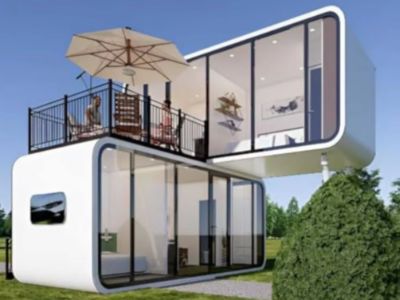
More people, in recent years, are opting to live in co-living spaces. They provide a means to reside with others in a communal manner. Modular design is a big part of why they’ve been so popular. Modular building refers to designing spaces that are designed to be easily modified for the residents. ZYC has done a ton of co-living spaces due to this adaptive approach to modular container house design.
The Co-Living Space Trend in Cities
Cities are congested, and living alone can be super costly. For many, co-living spaces have become the cool solution, especially among young people or those relocating to a city for the first time. Airbnb and others have long permitted short-term rentals of shared rooms as well as entire homes. These modular container house are not just a private room; they often include shared spaces like kitchens, lounges — and sometimes even work spaces. It’s like a little community here in the middle of a big city.
Modular Is A Perfect Fit For Co-Living
Modular design works great in co-living. This allows these spaces to convert to accommodate more people or provide private spaces as required. A room, for instance, could be divided into two smaller rooms, or opened up to accommodate larger events. The ZYC modular shipping container homes adaptability makes living together easier and allows everyone to feel they have their own space.
How to maximize space and live stylishly in shared apartments?
In co-living situations, making the most of every inch of space is crucial. This sort of thing is greatly aided by a modular approach. Furniture and walls can divert or do double duty. A bed becomes a couch, a desk collapses when it’s not in use. What that means is that even if a room is tiny, there’s a place for everything, and everyone can stay organized.
Next-generation Trends That Are Propelling The Future of Co-Living
We’re observing new forms of co-living that make life easier and more fun. Such as cut-the-edge kitchens everyone can use or apps that facilitate management of who’s cleaning the house or all manner of splitting the bills. There’s also a lot of emphasis on making these spaces really beautiful and nice to be in, with tons of light, comfortable furniture and cool technology.
Empower much also from modular sustainable scaleable way to co habitat communities
Modularity isn’t just about flexibility. It’s also a matter of being resourceful and future planning. With materials and ZYC modular container homes designs that are meant to evolve over time, co-living spaces can expand or contract as necessary without wasting what we have. This is why co-living isn’t just a good idea for now, but also for the future.