EN

Apple Cabin vs Container House: Comparing Use Cases and Layout Flexibility
For resort developers, camp operators, contractors, and mobile retail planners, the apple cabin vs container house decision is less about which exterior looks more distinctive. It is about whether the unit supports the guest journey, site constraints, operating model, and future expansion plan. Both are prefabricated building approaches, yet they organize space and scale projects in different ways.
This apple cabin vs container house comparison takes a practical procurement view. Rather than treating either format as universally suitable, it maps each option to the conditions where it can work well: compact hospitality rooms, scenic accommodation, construction camps, temporary offices, retail pods, and multi-unit developments.
Start the apple cabin vs container house decision with the operating scenario
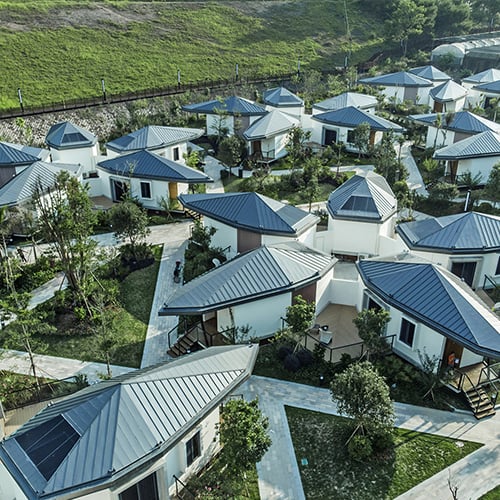
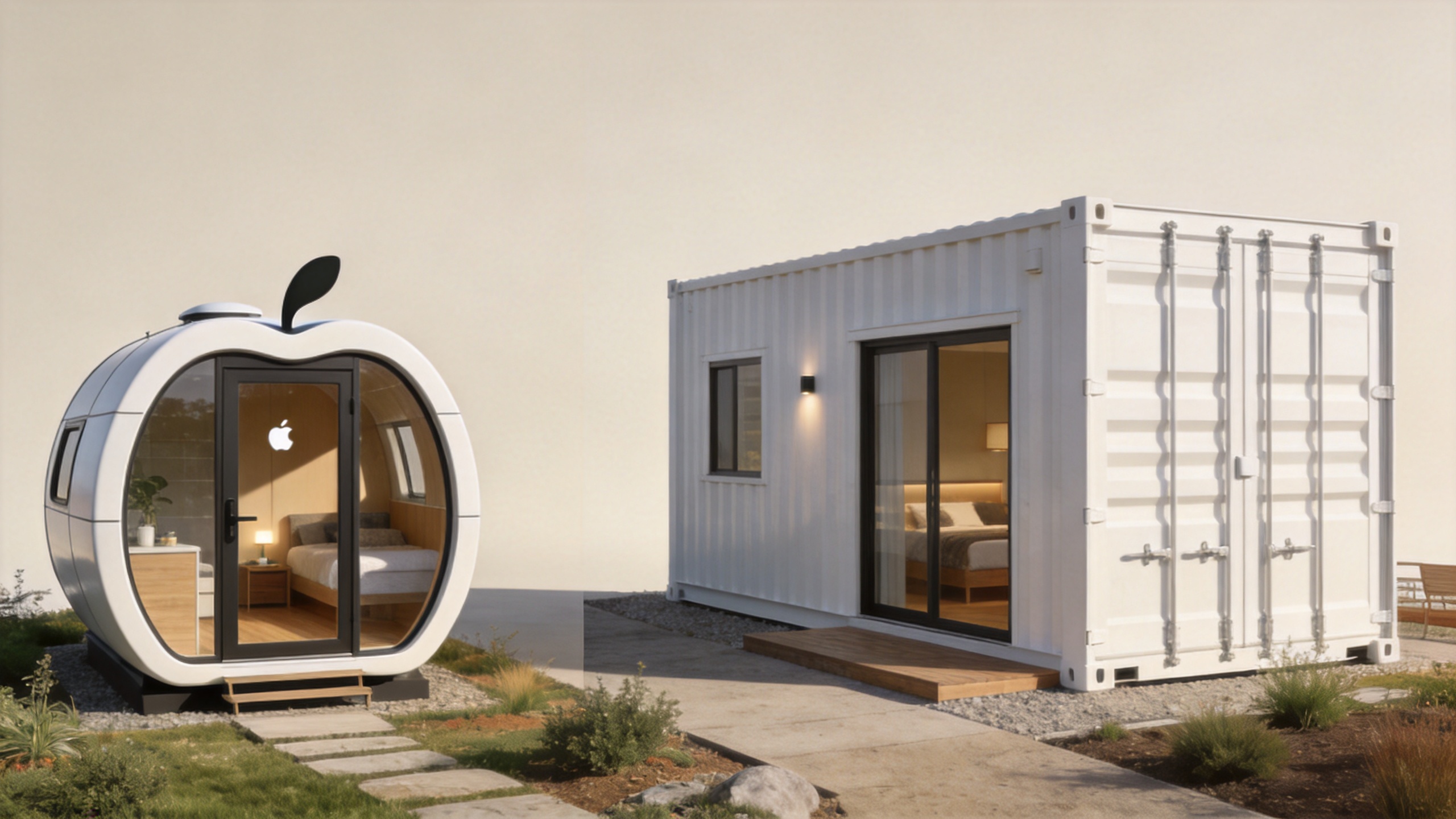
An apple cabin is typically selected when the project needs a compact, self-contained accommodation experience with a visually unified appearance. It is often considered for boutique stays, view-oriented resort rooms, campground upgrades, reception suites, or small commercial spaces where the arrival impression is part of the offer. In an apple cabin vs container house review, this makes the cabin format a strong candidate when each unit is intended to function as an individual destination.
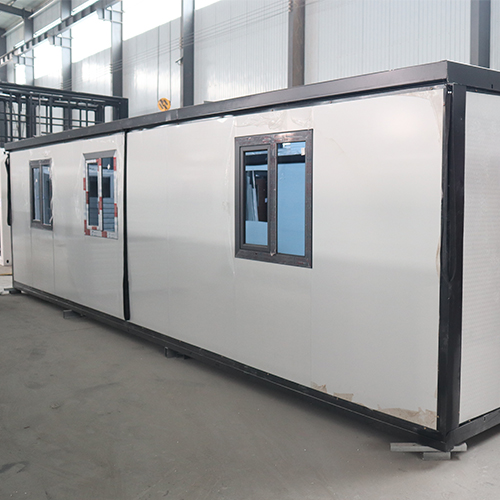
A container house is often easier to position around repeatable functional modules. Construction-site dormitories, site offices, utility rooms, staff accommodation, temporary classrooms, and larger camp layouts commonly benefit from a unit system that can be repeated and arranged in rows, clusters, or stacked configurations when engineering and local approvals allow. The practical question is whether the container unit fits the whole site plan rather than functioning as an isolated box.
For mixed-use developments, the apple cabin vs container house question can have a two-format answer. Guest-facing units may favor a cabin-led experience, while back-of-house rooms, staff facilities, and project offices may need the repeatable logic of container modules. A supplier with multiple modular product lines can help keep those two needs in one purchasing conversation, while each unit is still specified for its role.
Compare layout flexibility, not just floor area
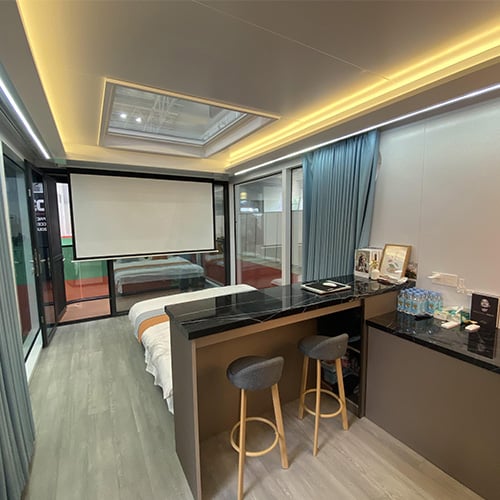
Floor area alone can mislead buyers. In a compact accommodation unit, the usable plan must make room for entry circulation, a sleeping zone, bathroom fixtures, storage, HVAC routing, electrical panels, windows, and furniture clearance. A credible apple cabin vs container house layout review therefore begins with a furnished plan and equipment schedule rather than a bare dimension drawing.
Apple cabins generally invite a more experience-led interior. Their envelope and window placement can support a deliberate view direction, a defined entrance sequence, and a compact bedroom-and-bathroom arrangement. That approach can suit a resort operator seeking a consistent room identity. The trade-off is that project teams should lock key interior assumptions early: bed size, bath layout, luggage storage, service access, and the exact position of doors and glazing.
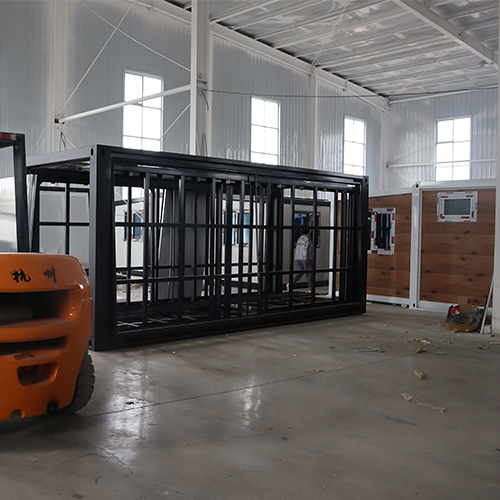
Container houses often offer a more rectilinear planning discipline. That can simplify repeated room modules, corridor logic, office desks, bunks, lockers, or service walls. In the apple cabin vs container house comparison, the container option can be practical when the program may grow from a few units to a phased camp or when functions are likely to change over time. It does not remove the need for a good plan; it simply gives planners a regular module to coordinate.
Use a layout checklist before approving either option
Project teams can make the apple cabin vs container house decision clearer by reviewing the following points with a supplier before confirming a model:
- Occupancy: Is the unit intended for overnight guests, staff, a family group, a reception team, or retail customers?
- Furniture test: Can beds, seating, luggage, desks, and storage be placed without blocking the entry or bathroom?
- Wet-area coordination: Are plumbing routes, waterproofing details, ventilation, and maintenance access planned early?
- Site movement: Can the delivery route, lifting position, foundation work, and final placement be coordinated with actual site conditions?
- Utilities: Where will power, water, drainage, data, heating, cooling, and exterior lighting connect?
- Expansion: Will future phases add identical rooms, linked public spaces, or a different functional module?
This check is especially useful for scenic sites. A window wall may create a strong guest experience, but it also influences privacy, solar exposure, furniture placement, and cleaning access. A simple, repeatable container plan may improve operational consistency, but it needs a thoughtful approach to facades, outdoor circulation, and shared amenities if it serves hospitality guests.
How deployment and expansion affect the apple cabin vs container house choice
For a small destination project, an apple cabin can support a staged launch: begin with several guest units, observe booking patterns, then add units or common facilities based on what the site needs. The visual character of the unit can make that approach appealing for operators building a recognizable stay concept. In this apple cabin vs container house scenario, the cabin is chosen for guest-facing value rather than for a claim that it fits every use.
For a camp, contractor accommodation project, or temporary workplace, container houses can make it easier to define standardized functions such as rooms, offices, dining support, sanitation, or storage. A modular arrangement can also help planners separate quiet accommodation zones from active work areas. Final stacking, connections, and code compliance should be confirmed against local engineering requirements and the project brief.
Buyers who want to examine a product reference can review the 2024 New Design Apple Cabin Economic Movable Capsule Hotel Container House Movable Home Prefab House for Sale. The product page should be used as a starting point for a project-specific discussion, not as a substitute for confirming the final plan, utilities, finishes, and local installation conditions.
Choose by project logic, then request a comparable proposal
The most useful apple cabin vs container house conclusion is conditional. Choose an apple cabin when the project centers on compact, guest-facing accommodation and a distinctive individual-unit experience. Choose a container house when repeatable functions, phased capacity, and regular site planning are the larger priorities. Use both when a development combines resort rooms with practical service or staff spaces.
For an apples-to-apples proposal, give every supplier the same brief: site location, intended users, target occupancy, unit count, furnished layout, bathroom requirements, utility conditions, transport route, exterior expectations, and phase-two plan. That process turns the apple cabin vs container house comparison into a decision based on operations and layout evidence rather than photographs alone.