EN
Event Portable Toilets: Planning Capacity and Facility Mix
An event portable toilet rental alternative is worth considering when a venue, contractor, festival organizer, or campsite operator needs more control over sanitation capacity, layout, and repeat use. Rather than treating toilets as a last-minute rental line item, plan them as part of the event infrastructure. The right approach begins with guest flow, duration, food service, accessibility, and the practical route for cleaning or waste servicing.
From an engineering-project perspective, a workable plan is rarely about choosing one toilet model. It is about matching a facility mix to how people will use the site. A daytime market, an evening concert, a sports event, and a multi-day campsite can have the same attendance number but very different demand peaks.
Start With Capacity, Not a Unit Count
A commonly used starting reference is one portable toilet for roughly 50 attendees at an event lasting up to four hours. Other planning guides use a broader initial range of one unit for 50 to 100 attendees. These figures are useful for early budgeting, but they are not a substitute for local rules or site-specific planning. The final capacity should increase when the event lasts longer, serves food and drinks, involves alcohol, has concentrated breaks, or has limited opportunities for guests to leave the venue.
For an event portable toilet rental alternative, calculate capacity in three layers:
- Base attendance: estimate the maximum people on site at one time, not only ticket sales.
- Peak-use pattern: identify moments when queues will form, such as intermissions, meal periods, race starts, or performance changes.
- Service resilience: add capacity or scheduled servicing where the event is long, remote, or likely to experience higher-than-expected traffic.
For example, a four-hour community event with steady arrivals may work with a simple base ratio. A concert with a single intermission needs additional capacity near the audience area because many guests move at once. A weekend festival needs both more units and a servicing plan; otherwise, a correctly sized opening-day layout can become insufficient later.
Choose the Right Facility Mix
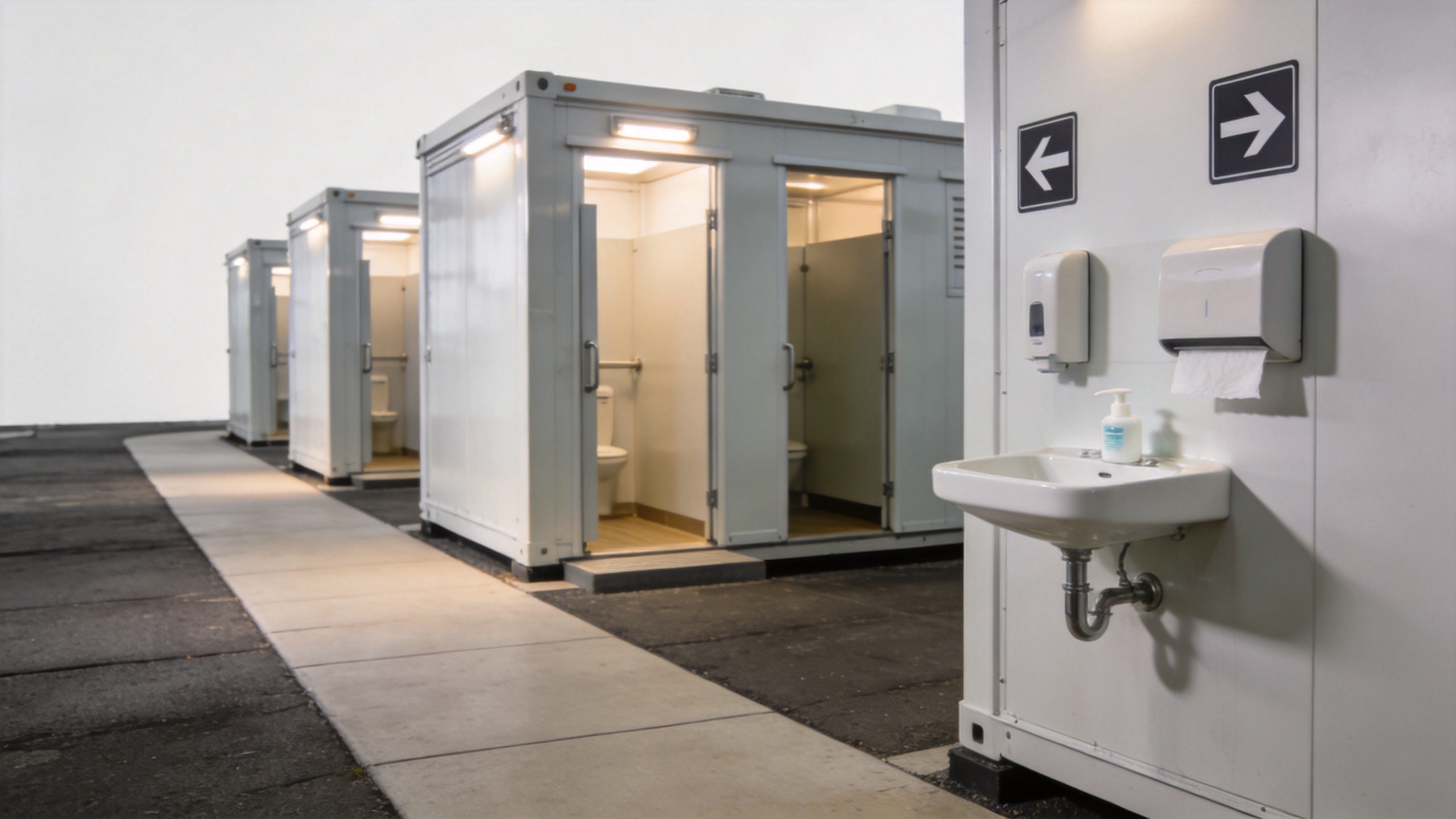
The strength of an event portable toilet rental alternative is that it can be configured for the event rather than limited to a single standard cabin. A practical mix may include the following:
- Standard toilet cabins for general visitor capacity.
- Accessible units positioned on a stable, reachable route with enough turning and approach space.
- Handwashing stations near toilets and food areas, with water, soap, and drying supplies planned for replenishment.
- Mobile bathroom or shower units where the event lasts overnight, supports camping, serves staff over several days, or requires a more complete hygiene setup.
- Family or changing facilities when the event profile makes them appropriate.
As a preliminary reference, some industry guidance suggests one handwashing station per 50 to 100 attendees, or one station for every two to three toilet units. Treat this as an early design input. Food-focused events, children’s activities, hot weather, and multi-day schedules can justify a denser handwashing layout. Hand sanitizer can support circulation, but it does not remove the need to plan actual handwashing where the event and local requirements call for it.
Place Units Where Guests Will Actually Use Them
Capacity that is poorly placed behaves like insufficient capacity. Map toilets against entrances, food zones, seating, activity areas, staff-only spaces, and the route used by service vehicles. Guests should be able to find facilities without crossing unsafe traffic paths or walking so far that they delay use until a peak period.
Separate public and operational needs. Event crews, security personnel, vendors, and performers may need facilities close to work areas, while guest units need clear wayfinding and lighting. Where the venue is uneven or temporary, confirm the ground condition and access path before selecting a mobile unit. An accessible toilet that cannot be reached by a stable route does not solve the access problem.
Plan Service Access Before the Event Opens
A mobile sanitation plan needs an operational layer. Confirm where vehicles can enter, turn, park, and leave without interrupting attendees. Identify water refill points, waste-service timing, backup supplies, and the contact person who can authorize access during the event. This step matters especially for a multi-day event portable toilet rental alternative, where daily demand and cleaning requirements can change after the first day.
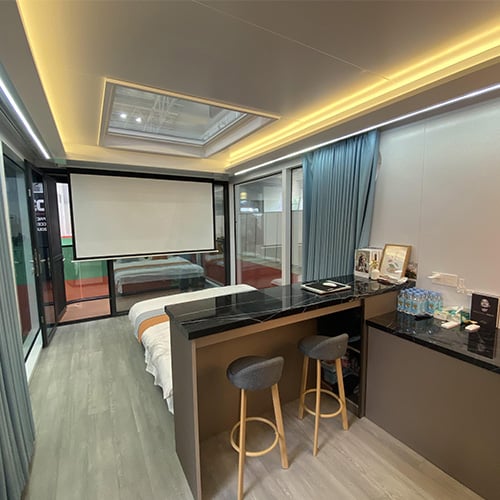
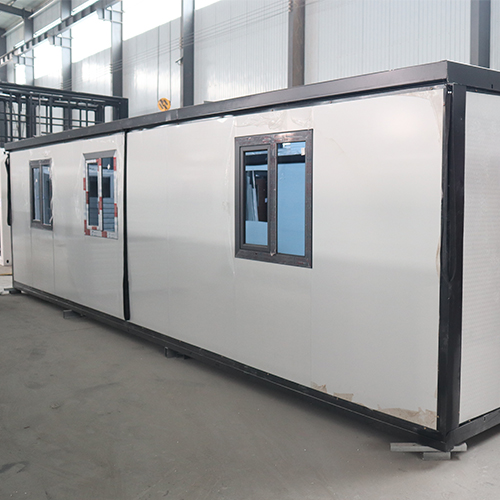
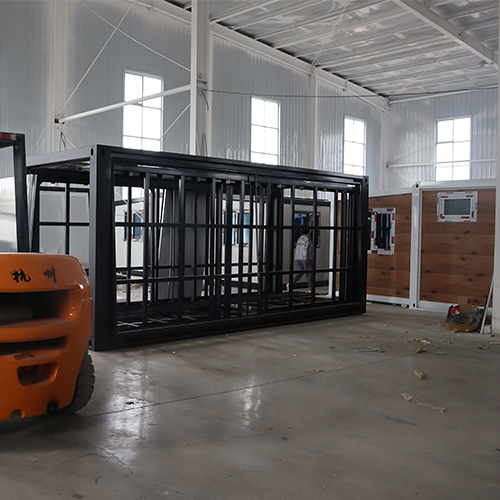
When ownership or long-term deployment is under consideration, modular mobile facilities can also support repeat-use programs at construction camps, tourism sites, emergency staging areas, and seasonal venues. ZYC develops container-based and mobile space solutions for different project settings. For a product example with a real site link, see the Luxury Mobile Toilets for Events and Camping. Evaluate any unit against its confirmed specifications, local regulations, service arrangements, and the actual event use case.
A Practical Planning Checklist
- Confirm peak attendance, event duration, and whether guests can leave and return.
- Adjust the starting toilet ratio for food service, alcohol, weather, and scheduled crowd peaks.
- Include accessible units and verify the approach route, ground surface, and signage.
- Match handwashing capacity to toilets, food areas, and expected replenishment needs.
- Separate public, staff, vendor, and overnight-use requirements where relevant.
- Check service-vehicle access, waste handling, water supply, lighting, and security before installation.
- Verify all local sanitation, accessibility, fire-safety, and site-permit requirements with the appropriate authority.
Use a Capacity Worksheet Before You Commit
For each proposed event portable toilet rental alternative, record the expected attendance, the longest continuous operating period, the busiest two-hour window, and the number of food or beverage points. Then mark where toilets, handwashing stations, accessible units, and service vehicles will go. This simple worksheet makes hidden capacity gaps visible before equipment reaches the site.
It also helps teams compare a short-term rental with a reusable mobile setup on equal terms. The question is not simply how many cabins are available. Ask whether the event portable toilet rental alternative can be cleaned, resupplied, and accessed during the period when the venue is busiest. If servicing cannot happen safely during an event, plan enough usable capacity for the full interval between service visits.
Allow for different user groups
General guests are only one demand group. Staff, vendors, performers, security teams, drivers, and campers may use facilities at different times and in different areas. Assigning these groups to the same small cluster can create queues even when the total unit count appears adequate. A well-arranged event portable toilet rental alternative can reserve units for operational teams while keeping public facilities near the guest route.
Review the plan after the first event
For a recurring market, seasonal attraction, or construction-linked event, note queue locations, water consumption, supply replenishment, and the time required for cleaning. Those observations are more useful than a generic ratio when refining the next layout. They turn an event portable toilet rental alternative into a repeatable operating asset rather than a one-off purchase decision.
Make the Alternative Fit the Operating Plan
An event portable toilet rental alternative works well when it is planned as a system: capacity, facility type, placement, hygiene support, and servicing must reinforce one another. Start with conservative assumptions, examine the event’s busiest moments, and keep a contingency for attendance or weather changes. That produces a more usable layout than selecting units only from a general headcount.
For repeat events or sites that need a more durable mobile sanitation setup, discuss the expected user profile, duration, transportation constraints, and service model with the supplier before committing to a configuration. A clear brief makes it easier to compare standard cabins, accessible units, handwashing stations, and more complete mobile bathroom solutions on the criteria that matter to the project.