EN
EN

What Is a Pod Hotel? Understanding Space Capsule Houses for Hospitality
Most hospitality developers who first encounter a pod hotel picture something niche, a concept borrowed from dense Japanese city centers and aimed at solo business travelers with nowhere better to sleep. As someone who has evaluated modular accommodation formats across tourism resort and glamping projects, I would push back on that assumption. The pod hotel model has matured into one of the more commercially significant hospitality formats of this decade, and the story on the construction side (how space capsule structures are actually built and deployed) is even less understood than the guest experience narrative.
So what exactly is a pod hotel, where did the concept originate, and why are resort developers and tourism investors paying attention?
What Is a Pod Hotel?
A pod hotel is a lodging format built around compact individual sleeping units, called "pods," arranged within a shared structure. Each pod provides private sleeping space: a mattress, adjustable lighting, climate control, power outlets, and typically a lockable door or privacy curtain. Shared amenities such as bathrooms and lounges are communal.
The pod hotel sits between a traditional hotel room and a hostel dormitory. A capsule inn, in the original Japanese sense, uses the same logic in its most compact form: stacked pods in an urban building. The modern pod hotel expands that format to freestanding prefabricated units, outdoor resort deployments, and modular hospitality campuses.
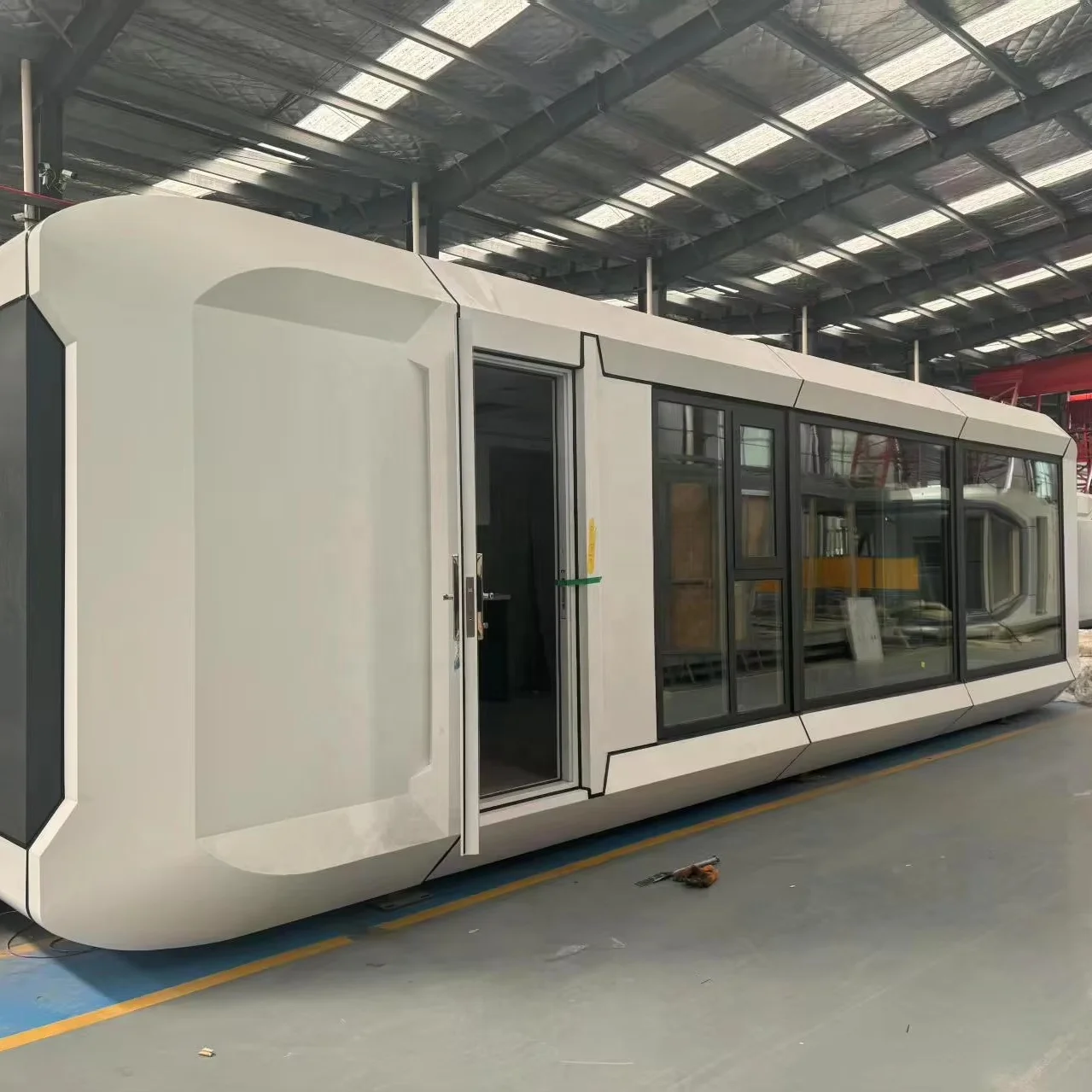
The Origin of Capsule Hotels and How the Concept Evolved
The capsule hotel concept originated in Japan in the late 1970s, driven by extreme space scarcity in urban centers and demand for affordable solo accommodation. Early japanese sleep pods in Osaka and Tokyo were utilitarian in design: fiber-reinforced plastic capsules roughly two meters long, stacked in rows, fitted with a mattress and basic light. Form followed function entirely.
What changed over the following decades was the scope of what "pod hotel" could mean. The capsule inn of the 1980s was an urban infrastructure solution. The contemporary pod hotel has moved into resort settings, airport transit accommodation, glamping, and emergency housing, supported by a fundamentally different construction method: prefabricated, factory-built space capsule units that can be deployed without conventional building infrastructure.
Market Growth: Why Pod Hotels Are Attracting Investment
The commercial case for pod hotel development has grown clearer as the market has expanded. The global capsule hotel market was valued at approximately USD 262.9 million in 2024, with projections pointing to USD 432.5 million by 2030, representing a compound annual growth rate of 8–10%.
Several factors are driving this growth:
- Urban land cost pressure makes high-occupancy-per-square-meter formats attractive in gateway cities.
- Experience-led travel demand from younger travelers has created appetite for distinctive, memorable accommodation formats; the space capsule aesthetic fits naturally.
- Resort and outdoor tourism development in secondary locations needs accommodation that can be deployed quickly without full conventional building infrastructure.
- Lower capital requirements: capsule-format resort builds typically require 50–70% less startup capital than equivalent traditional hotel construction, because factory-built modular units reduce on-site labor and compress timelines.
Pod Hotels in Tourism Resorts, Hostels, and Emergency Scenarios
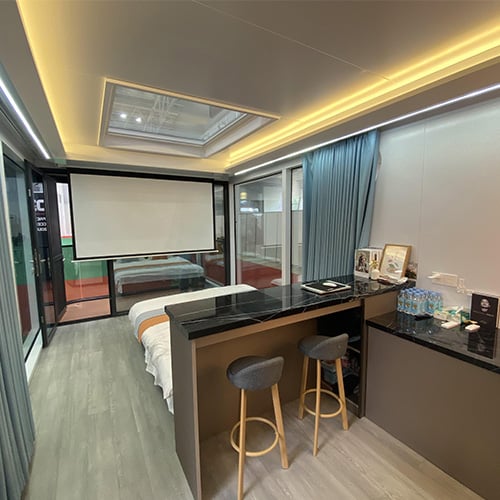
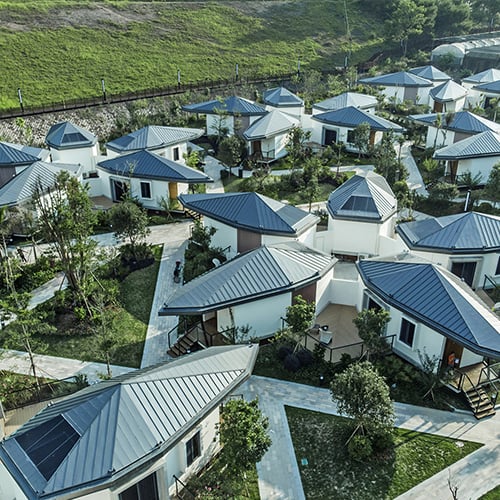
The clearest growth area for pod hotel development has been outdoor tourism: hillside resorts, lakeside glamping, coastal destination stays, and cultural tourism campuses. Prefabricated space capsule cabin structures have become the practical delivery mechanism for this segment: purpose-built modules that arrive factory-finished and function as complete pod hotel rooms from installation.
In the urban capsule inn and hostel context, modern pod hotel designs have moved away from basic stacked pods toward more refined sleeping environments with improved soundproofing, integrated climate control, and a clearer sense of personal space. The same modular engineering platform supports both outdoor resort deployment and urban applications, though local building code requirements vary.
Pod hotel structures have also demonstrated value in emergency accommodation contexts. The ability to rapidly deploy a standardized sleeping unit on minimal site preparation, requiring no dependence on conventional utilities beyond basic connections, is genuinely useful in disaster response and temporary infrastructure scenarios. This reinforces a practical point for resort developers: the structural durability that performs in demanding emergency conditions is the same durability that provides long-term asset value in hospitality deployment.
One thing that shifts your perspective when reviewing pod hotel projects at scale: many developers start focused on the visual appeal of the space capsule format, then arrive at the same conclusion: what matters most in outdoor deployment is functional performance. Thermal insulation, waterproofing, structural durability across climate zones, and serviceability over a 10-year lifecycle determine whether a pod hotel investment performs. The visual distinctiveness follows from sound engineering, not from styling alone.
Building a Pod Hotel with Prefab Container Technology
For developers evaluating a pod hotel project, the construction approach matters as much as the commercial model. The two main paths are conventional in-building pod fitting (urban locations with existing structural shells) and freestanding prefabricated module deployment (resort, outdoor, and new-build contexts).
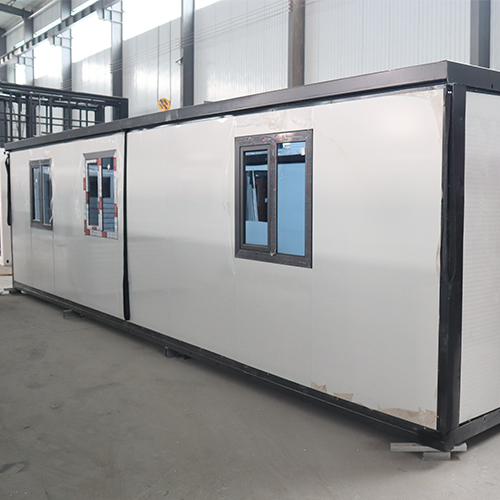
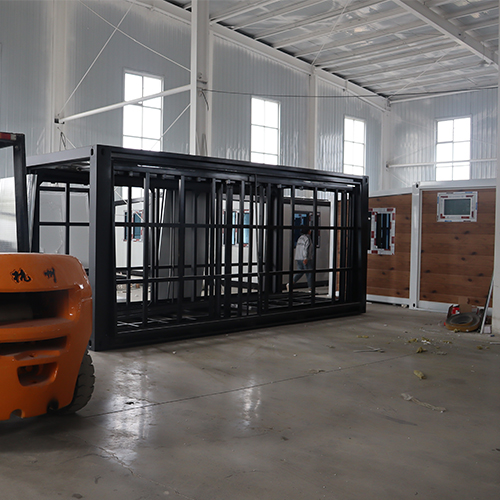
The prefabricated route uses steel-framed container-architecture space capsule units and offers several advantages: compressed delivery timelines, defined per-unit cost structures, and scalability from a small initial deployment to a larger resort campus. Container-based pod hotel modules typically range from USD 35,000 to USD 60,000 per unit depending on specification and finish; the wide range reflects genuine differences between a basic sleep pod and a fully appointed private cabin, not market inconsistency.
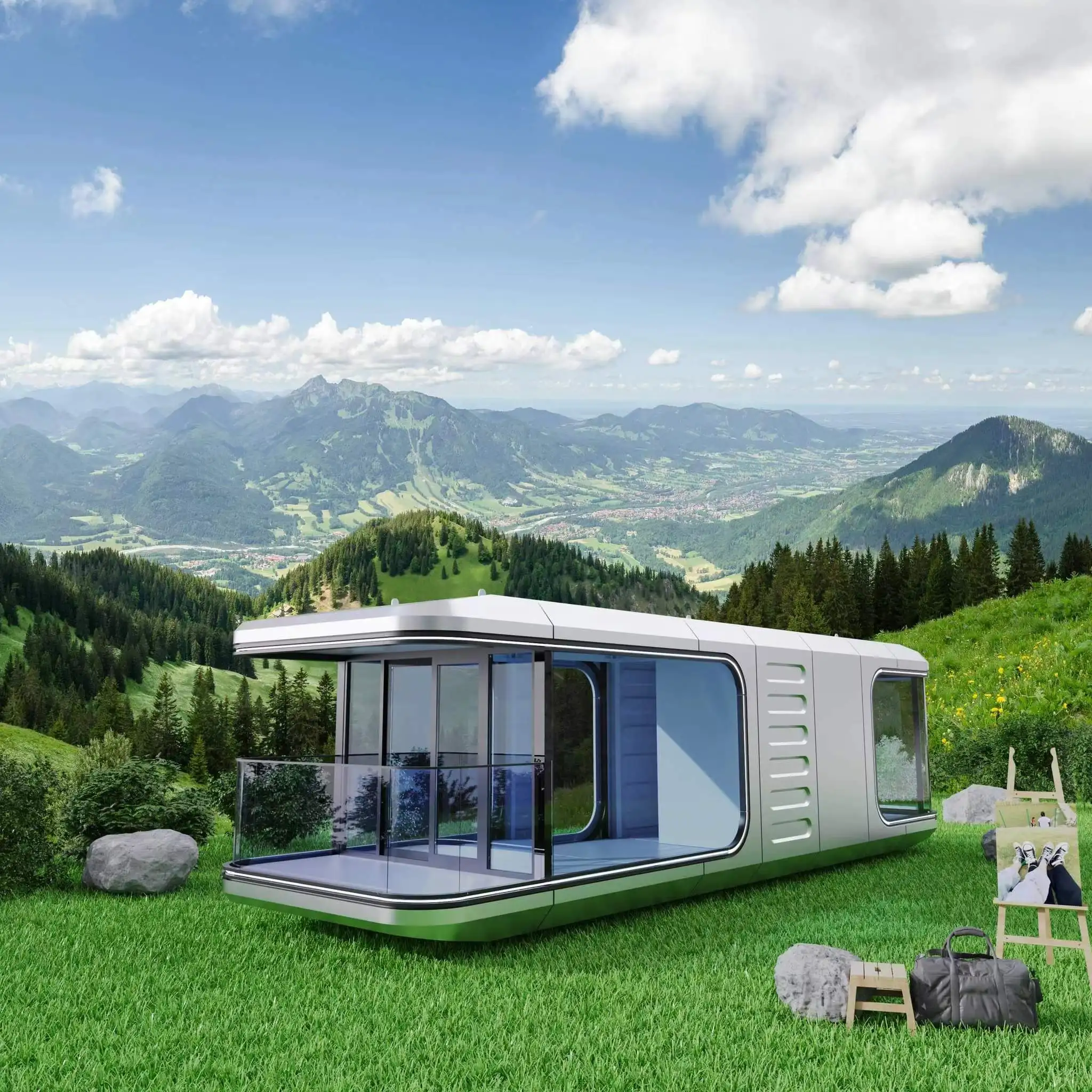
For outdoor resort and glamping applications, ZYC's New High Quality Prefab House Space Capsule Cabin Hotel Container Home Sleep Pod provides a mobile, deployable sleeping pod unit designed for hospitality use. For developments needing a larger footprint, the Contemporary Futuristic 40ft Steel Prefabricated Container House Space Capsule offers a 40-foot steel module configured as a hotel cabin or travel accommodation unit. Both products are available for export to European, North American, South American, and Oceania markets.
What Developers Should Keep in Mind
The pod hotel format is not inherently a budget concept; it is a density-and-efficiency concept that performs well across multiple price tiers. The appropriate positioning depends on the site, target market, and operational model, not on the format itself.
A few practical considerations at the evaluation stage:
- Match the unit specification to the rate tier: a basic capsule inn at USD 30–50 per night requires different specifications than a boutique space capsule resort at USD 150–200 per night. Both are feasible; the economics differ.
- Model both construction speed and quality: modular construction compresses timelines, but the fastest delivery path and highest-quality outcome do not necessarily converge. Evaluate both scenarios with your preferred supplier.
- Confirm local regulatory requirements early: prefabricated pod hotel structures interact with building codes, land use planning, and hospitality licensing requirements that vary significantly across jurisdictions.
The global pod hotel market is growing because the underlying conditions (urban density, experience-led travel, resort development demand, and capital efficiency pressure) are structural trends. Developers who understand what a pod hotel is, how it is built, and what makes a deployment succeed are better positioned to evaluate whether this format fits their next project.