EN
EN
What Is an Apple Cabin? The Complete Guide to Pod-Style Prefab Homes
Frio cabins have long defined what outdoor vacation accommodations should feel like: intimate, nature-immersed, and distinct from the generic hotel experience. Whether you're building a riverside frio cabins retreat or a broader glamping concept, the challenge is consistent — how do you deploy distinctive cabin-style accommodations quickly, at scale, without conventional construction timelines? Apple cabins are an increasingly popular answer.
Apple cabins (curved, apple-shaped pod-style prefab homes) bring the aesthetic character of frio cabins into a factory-built, modular format. They're transportable, customizable, and designed to look like intentional architectural choices. The global glamping market was valued at approximately $3.8 billion in 2025, forecast to reach $7.9 billion by 2033 at a CAGR of 9.5%. Within this market, cabins and pods account for 43% of total accommodation market share — placing apple cabins at the center of the fastest-growing outdoor hospitality segment.
This guide covers what apple cabins are, how they compare to frio cabins and traditional construction, their primary deployment scenarios, and what to evaluate when sourcing.
What Exactly Is an Apple Cabin?
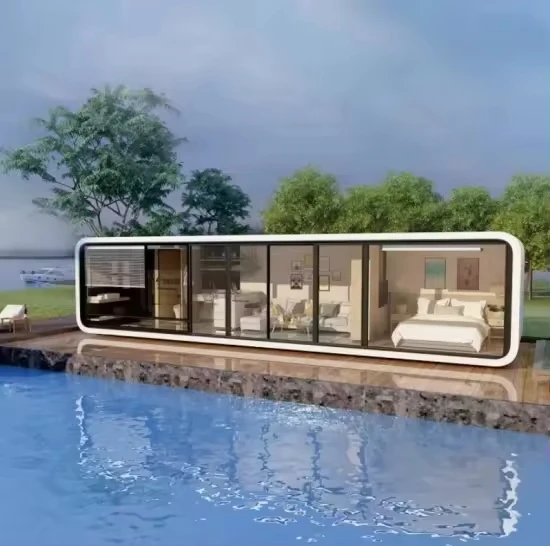
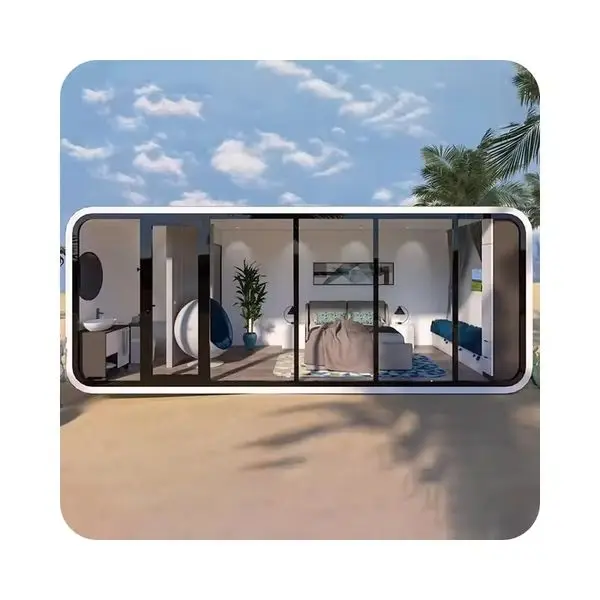
An apple cabin (also called an apple pod or space capsule cabin) is a prefabricated modular dwelling unit characterized by its curved, apple-like exterior silhouette. Unlike a flat-sided container house, the apple cabin features rounded roof lines and often large panoramic windows, creating an immersive indoor-outdoor connection. The design intent is fundamentally hospitality-driven , built to be noticed and remembered.
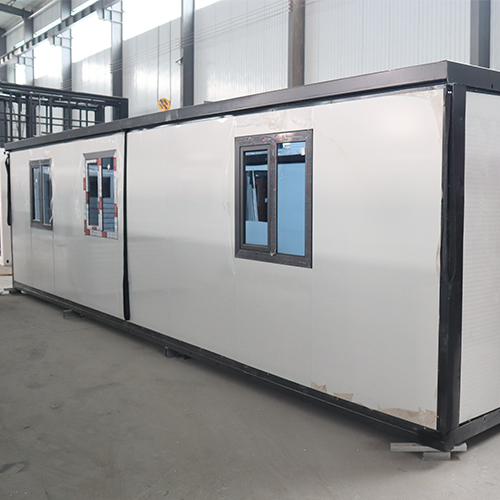
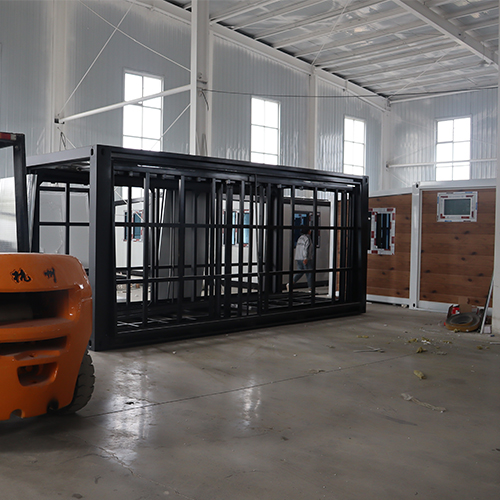
Most apple cabins are built on a steel frame with composite or wooden cladding panels, factory-fitted with insulation, electrical wiring, and plumbing rough-ins before shipment. Units range from compact 13-foot single-occupancy pods to larger 40-foot two-level configurations. This size range means apple cabins can serve frio cabins-style one- or two-person retreats as well as larger hotel suite configurations.
Apple Cabin vs. Frio Cabins and Traditional Construction
If you're familiar with the appeal of frio cabins — intimate, nature-integrated, architecturally distinct — apple cabins replicate that experience in a factory-built format:
- Exterior design: Frio cabins rely on timber construction and local character. Apple cabins achieve a similar sense of place through curved form and customizable cladding — without the site time required for conventional builds.
- Deployment speed: A traditional frio cabins-style vacation cabin can take months to construct. A factory-built apple cabin installs in days once the foundation is prepared.
- Customization: Apple cabins offer extensive exterior finish choices — custom colors, timber cladding, and branded facade treatments — allowing resort operators to create consistent property identity across multiple units.
- Price range: Entry-level apple cabin units start around $13,000 USD per unit, often favorable compared to per-unit construction costs for equivalent frio cabins-style accommodations.
Primary Use Cases for Apple Cabins
Glamping Resorts and Eco-Lodges
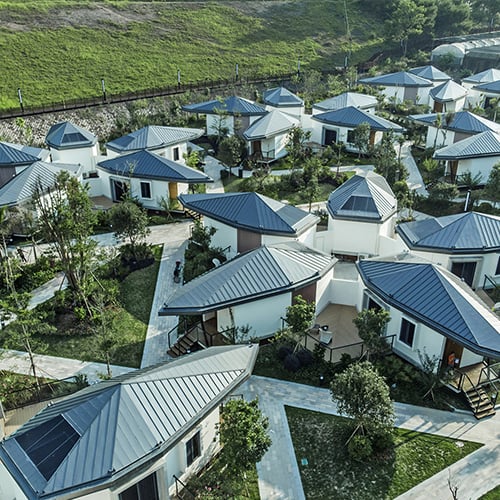
The dominant use case. Resort developers building frio cabins-inspired outdoor retreats use apple cabins as deployable, scalable lodge units. The pod aesthetic works well with riverbank, forest, and hillside settings, and each self-contained unit adds new capacity without disrupting existing operations.
Boutique Hotels and Capsule Hotel Concepts
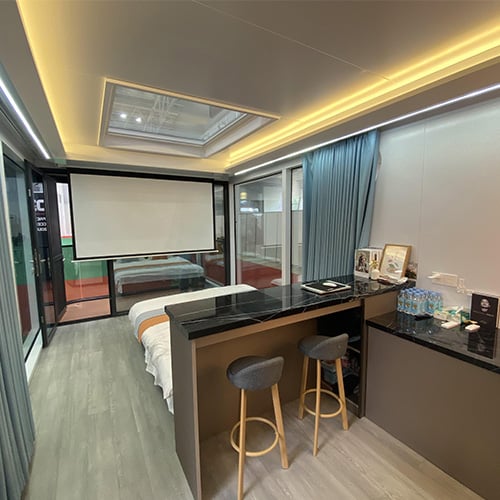
Operators building compact boutique accommodation choose apple cabins as the physical room unit. An apple cabin capsule hotel unit ships with bedroom, bathroom, and terrace configurations — a complete guest room in a single transportable package.
Vacation Homes: Apple Creek Cottages and Private Retreats
Private buyers are purchasing apple cabins for personal use on rural land, as an alternative to building a traditional holiday home. The appeal mirrors what draws guests to apple creek cottages: a character-rich space embedded in its natural surroundings. For buyers wanting an apple creek cottages-style retreat without long construction timelines, a prefab apple cabin delivers a comparable result. Apple creek cottages-scale projects typically involve one to three units.
Outdoor Workspaces and Office Pods
Apple blossom cabin configurations, typically lighter and more open units suited to temperate seasons, work well as garden offices and creative studios. The 40ft steel-and-wood apple cabin pod combines apple blossom cabin-style openness with year-round structural durability.
Key Sourcing Considerations
For buyers coming from a frio cabins rental background into purchasing apple cabins for development, these factors consistently matter most:
- Factory pre-fit level: A lower ex-factory price often reflects a stripped base unit. Clarify what insulation, electrical, and interior finishes are included.
- Weatherproofing: Verify anti-corrosion treatment and waterproofing specifications, especially for coastal or high-humidity locations similar to frio cabins environments.
- Insulation options: For apple blossom cabin use cases in cooler seasons, confirm the insulation grade and whether upgrades are available.
- Lead time: Build 30–60 days production time plus ocean freight into your project schedule when ordering apple cabins from China.
Why Apple Cabins Are Growing in Popularity
Europe, which holds 35% of global glamping market share, has seen rapid expansion of boutique properties requiring distinctive accommodations. North American developers building frio cabins-style getaway concepts are similarly evaluating apple cabins as a faster, more capital-efficient alternative to traditional construction. Current suppliers offer multi-product-line capabilities — combining apple cabins, expandable container houses, and space capsule units — allowing resort developers to build consistent design language across mixed accommodation inventories.
If you're building a resort concept that draws on the appeal of frio cabins — intimacy, natural setting, and departure from standard hotel formats — apple cabins provide a deployable, scalable physical form for that experience.